
5 Common Gutter Problems in Denver Homes—and How to Fix Them
Water stains near the roofline, overflowing gutters, and pooling water around the foundation can all indicate that a gutter system is no longer draining correctly. Colorado’s snow, hail, wind, falling debris, and temperature changes can loosen gutter components and turn minor problems into expensive exterior damage.
Denver-area homeowners should inspect their gutters periodically and pay attention to leaks, clogs, sagging sections, detached gutters, and standing water. Recognizing these five common gutter problems early can help protect the roof, fascia, siding, foundation, and landscaping.e.
Why Denver-Area Gutters Develop Problems
Denver-area gutter systems endure hail, snow and ice, strong winds, falling debris, intense sunlight, and rapid temperature changes. Hail can dent gutters, accumulated snow and ice can strain hangers, windblown debris can create clogs, and repeated freezing and thawing can open seams or loosen fasteners. Heavy rain then exposes problems with gutter pitch, capacity, and downspout drainage. The following five issues are among the most common problems Charlie encounters on homes throughout the Denver Metro area.
Gutter Leaks
Gutter leaks commonly develop around end caps, downspout outlets, miters, fasteners, and older seams. Colorado’s hail and repeated freeze-thaw cycles can also damage the gutter surface or weaken previously sealed connections. Even a small leak can repeatedly wet the fascia, soffit, siding, landscaping, or foundation. Before applying sealant, determine whether water is escaping through an actual opening or overflowing because the gutter is clogged, improperly pitched, or undersized.
Safety note: Gutter work frequently requires using a ladder and working near the roofline. If a section is difficult to reach, severely damaged, or pulling away from the fascia, contact an experienced gutter professional rather than attempting an unsafe repair.
How to Address a Leaking Gutter
If the area can be reached safely and the damage is minor:
Remove leaves and debris so water can move freely through the gutter.
Use a controlled flow of water to identify the exact source of the leak and confirm that the problem is not overflow caused by a clog.
Allow the gutter to dry completely, then clean the damaged area so the repair material can bond properly.
Apply an exterior-grade gutter sealant compatible with the gutter material, following the manufacturer’s instructions and required curing time.
Test the area again after the sealant has fully cured.
Sealant may help with a small opening at an end cap, outlet, seam, or miter, but it will not correct improper pitch, loose hangers, separated sections, extensive corrosion, or badly dented gutters. Those conditions may require professional gutter repair or replacement of the damaged section.
Clogged Gutters
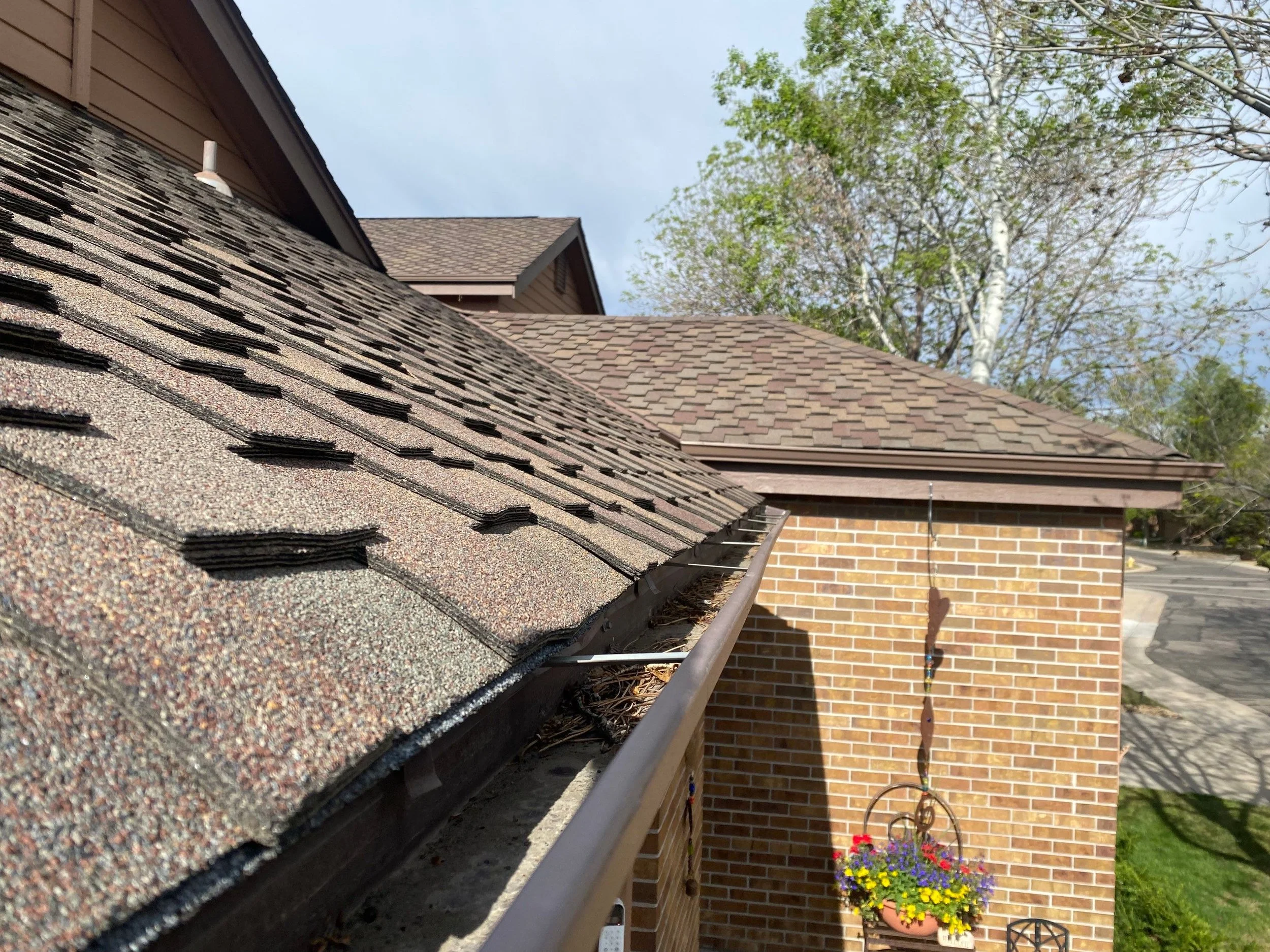
Leaves, pine needles, roof granules, and windblown debris can collect inside gutters and restrict water from reaching the downspouts. During Denver’s spring snowmelt and summer thunderstorms, a partial blockage can quickly cause water to spill over the gutter’s front edge or back toward the fascia. Persistent overflow can stain siding, erode landscaping, saturate soil near the foundation, and make a functioning gutter appear to be leaking.
How to Clear and Prevent Gutter Clogs
Inspect and clean open gutters at least during the spring and fall, and check them after major wind or hail events that deposit additional debris.
Clear downspout openings and elbows, where compacted leaves and roof granules frequently restrict drainage.
Use a controlled flow of water to confirm that each gutter and downspout drains correctly. Stop if water backs up instead of forcing additional water into a blocked system.
Consider professionally installed gutter guards when nearby trees repeatedly fill the gutters with leaves, pine needles, or other debris.
Hire a professional gutter cleaning service when the roofline is high, difficult to access, or unsafe to reach with a properly positioned ladder.
A properly selected gutter guard system can reduce debris accumulation and cleaning frequency, but no gutter protection product eliminates maintenance completely. The gutters and downspouts should still be inspected periodically to confirm that water can enter and drain as intended.
Gutter Sagging
Sagging gutters can develop when debris, standing water, snow, or ice places excessive weight on the system. Hangers may also loosen when they are spaced too far apart, fastened improperly, or attached to deteriorated fascia. A sagging section usually loses its intended pitch, allowing water to collect instead of flowing toward the downspout. Left uncorrected, the gutter can continue pulling away from the home and eventually detach.
How to Correct Sagging Gutters
Remove accumulated debris and standing water before evaluating the gutter’s condition.
Inspect the hangers, fasteners, gutter pitch, and fascia to determine why the section has dropped.
Reposition a structurally sound gutter to restore proper drainage, then secure it with appropriately spaced hangers fastened into solid fascia.
Replace sections that are permanently twisted, crushed, extensively corroded, or unable to maintain the correct pitch.
Repair deteriorated fascia before reinstalling or replacing the gutter so the new fasteners have a dependable attachment point.
Installing additional hangers may temporarily support a minor sag, but it will not correct damaged fascia or a gutter that has lost its shape. When several sections are failing, complete gutter replacement may provide a more reliable solution than repeated repairs.
Detached Gutters
Gutters can separate from the home when hangers or fasteners fail, the fascia deteriorates, or heavy debris, standing water, snow, and ice overload the system. Hail and strong Colorado winds may also loosen already weakened sections. Once a gutter pulls away from the fascia, water can run behind it instead of entering the trough, increasing the risk of damage to the roof edge, soffit, siding, and foundation. A partially detached gutter can also become a falling hazard and should be addressed promptly.
How Detached Gutters Should Be Repaired
Keep people and property away from an unstable section that could fall.
Inspect the fascia and roof edge for rot, splitting, or water damage before attempting to reattach the gutter.
Reuse the gutter only if it retains its shape and can be restored to the correct pitch.
Replace failed hangers and fasteners with compatible components installed at appropriate spacing and secured into sound material.
Realign connected outlets and downspouts, then test the repaired section with a controlled flow of water.
Replace gutter sections that are badly bent, cracked, corroded, or unable to remain securely attached.
A detached gutter is often difficult and unsafe to handle from a ladder, particularly on a two-story home. Professional gutter repairs can determine whether the section can be resecured or should be replaced and whether the underlying fascia needs attention first.
Standing Water in Gutters
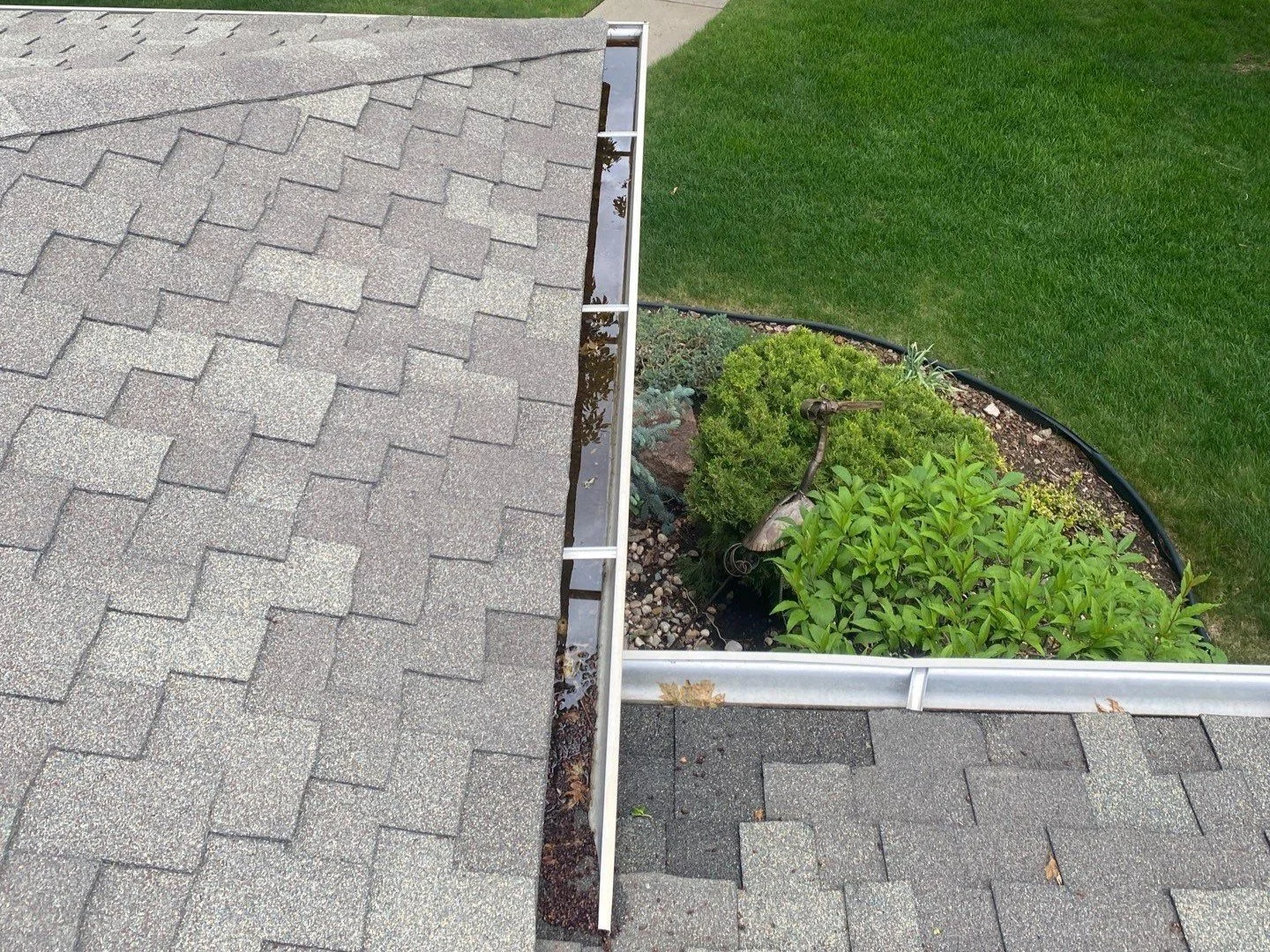
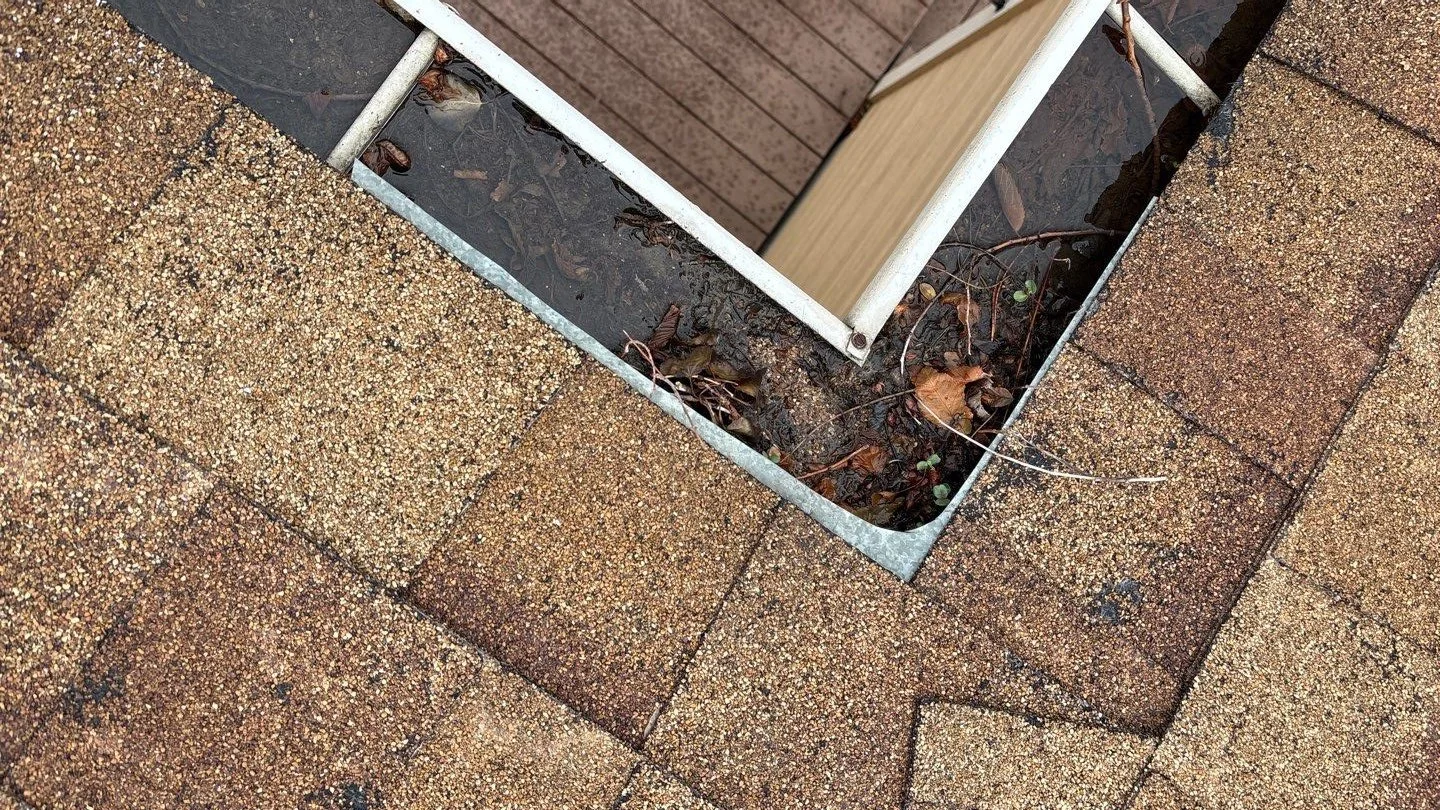
Water remaining in a gutter after a storm commonly indicates incorrect pitch, a sagging section, a blocked outlet, or a restricted downspout. Gutters should direct water toward their outlets rather than holding it in low spots. Standing water adds unnecessary weight, encourages corrosion in susceptible materials, attracts insects, and collects additional debris. During Colorado’s freezing weather, trapped water can turn to ice, place more strain on the hangers, and worsen an existing pitch or attachment problem.
How to Correct Standing Water in Gutters
Remove debris from the gutter, outlet, elbows, and downspout so water has an unobstructed drainage path.
Use a controlled flow of water to locate low spots and determine whether the gutter maintains a consistent pitch toward the outlet.
Reposition a structurally sound gutter and replace loose or failed hangers when sagging has disrupted the pitch.
Confirm that the outlet and downspout are large enough and properly positioned for the roof area they drain.
Replace gutter sections that are bent, twisted, or unable to hold the correct slope.
Add downspout extensions when discharged water collects too close to the foundation, recognizing that extensions do not correct standing water inside the gutter itself.
Persistent standing water usually indicates a pitch, support, or drainage problem that should be corrected rather than concealed with sealant.
When Should You Call a Denver Gutter Professional?
Routine cleaning and inspection can prevent many gutter problems, but some issues require professional attention. Contact a gutter contractor when gutters repeatedly leak or overflow, sections pull away from the fascia, water remains after a storm, downspouts cannot drain properly, or damage affects multiple areas of the home.
Kelly Custom Seamless Gutter Co. provides gutter repairs, cleaning, complete gutter replacement, and gutter guard installation throughout the Denver Metro area. Owner Charlie Smith can inspect the system, explain whether repair or replacement makes the most sense, and provide a straightforward, free on-site estimate.